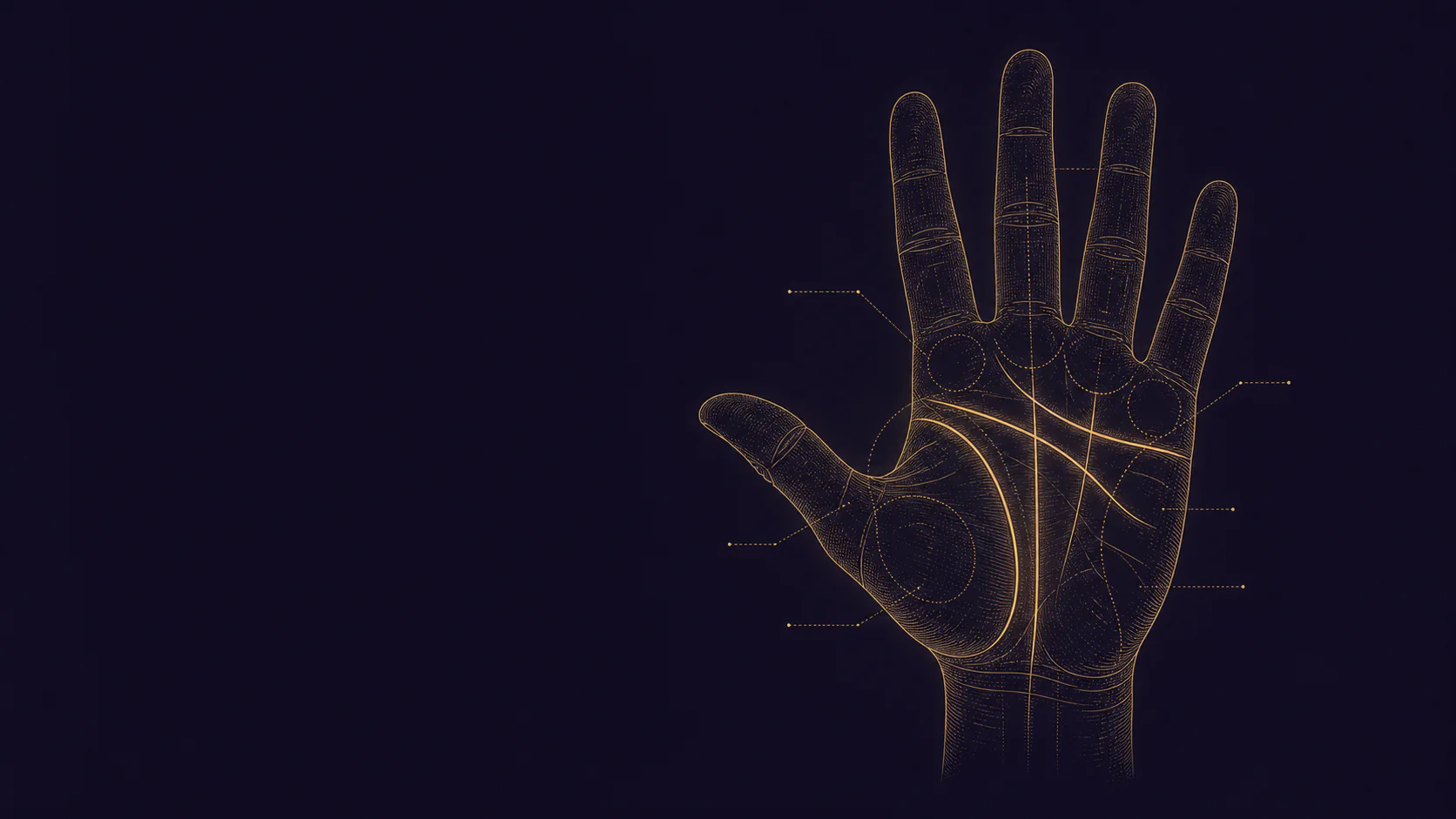
Learn palmistry as a structured practice
A grounded guide to the lines, mounts, hand shapes, and traditions of palm reading — without fortune-telling claims.
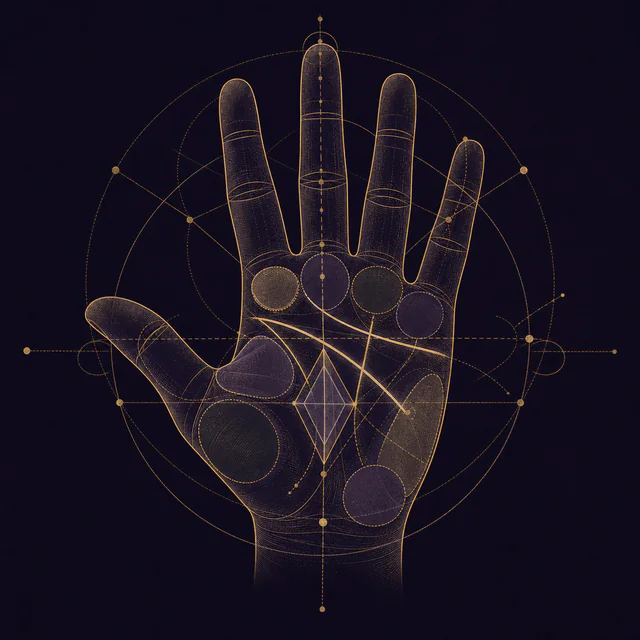
The human hand carries a map — a record of structure, temperament, and tendency etched into the palm and fingers. Palmistry is the study of that map: its lines, mounts, and shapes, and what they have meant to practitioners across centuries and cultures.
Content here draws from three major traditions: Indian (Hasta Samudrika Shastra), Chinese palmistry, and Western palmistry as systematised by Cheiro. Where traditions agree, the consensus is noted. Where they diverge, both views are presented honestly rather than one being quietly discarded. No prior knowledge is assumed, and no claims are made about predicting the future.
How the path works
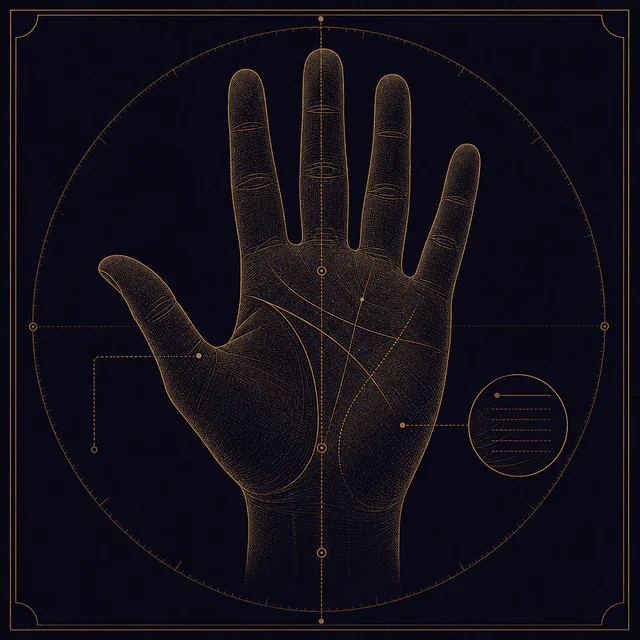
- 1 Foundations Beginner What palmistry is, how to approach a reading, and the basic structures of the hand — shape, texture and flexibility, the thumb and fingers, and the active and passive hands.
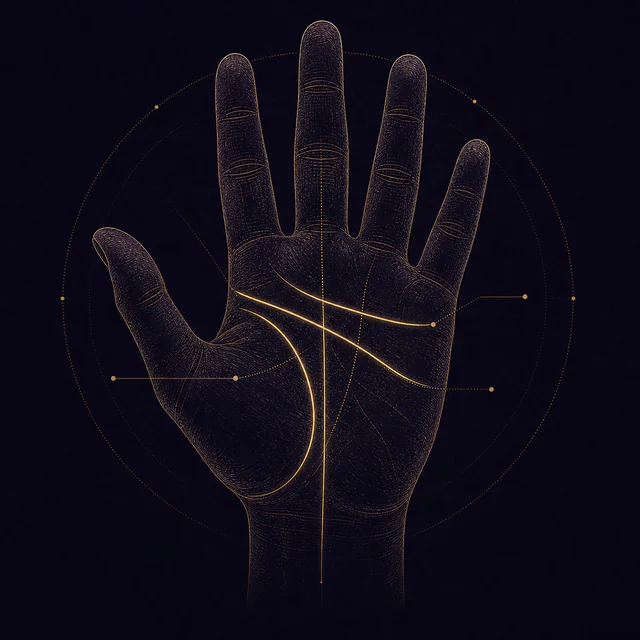
- 2 The Major Lines Beginner The four major lines — Heart, Head, Life, and Fate: the shared vocabulary of line quality, then how to locate each line and read its length, depth, and course.
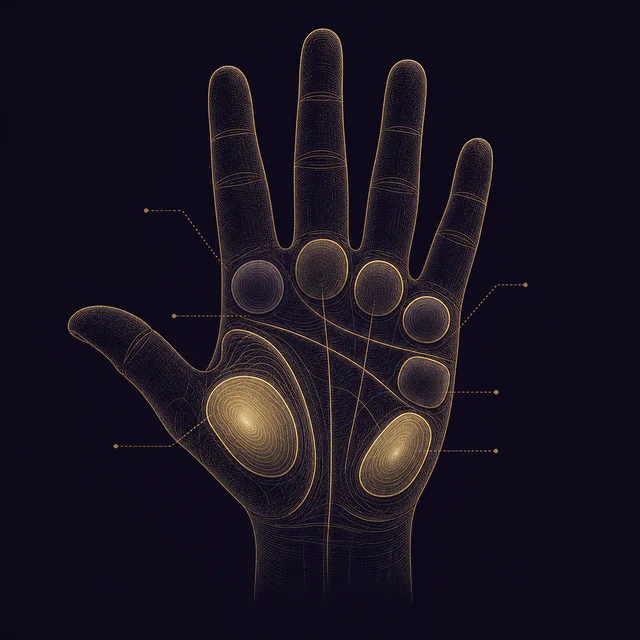
- 3 The Mounts Beginner The seven planetary mounts across the eight mount regions of the palm, their traditional associations, and how to read relative prominence and flatness.
- 4 Minor Lines & Synthesis Intermediate The minor lines — Sun, Mercury, relationship lines, and the Girdle of Venus — the simian line, and how to bring a whole hand together into one coherent reading.
- No prediction claims
- Tradition-aware
- Beginner-friendly
- Built for careful observation
A place to start
Browse by topic
Start with the free guide
The Palmistry Starter Guide covers the major lines, mounts, hand shapes, and includes a printable observation sheet. A useful reference from your first lesson.
Get the Starter Guide